The Rise of Clean Tech: Powering a Sustainable Future
Introduction
Sustainability has switched from just talking to making real moves. As climate change gets worse and resources shrink, companies everywhere pick cleaner, greener tech. This big push started a strong movement called Clean Tech, which aims to hurt the planet less while growing the economy. People who want to make a real difference will find lots to explore right here. Keep reading to see how these changes shape the future and why jumping in now matters more than ever.
From renewable energy breakthroughs to next-generation electric vehicles and zero-waste manufacturing, clean technology is redefining how we produce, consume, and live. According to BloombergNEF, global investment in clean energy hit $1.8 trillion in 2024, marking a record year that signals both urgency and opportunity.
This article explores the rise of clean tech, its major sectors, the innovations shaping its growth, and how individuals, businesses, and governments are working together to power a sustainable future.
What Is Clean Tech?
Clean technology—or Clean Tech—is an umbrella term for products, services, and processes designed to reduce negative environmental impacts. It integrates science, engineering, and innovation to improve energy efficiency, decrease waste, and protect natural ecosystems.
Key areas of clean tech include:
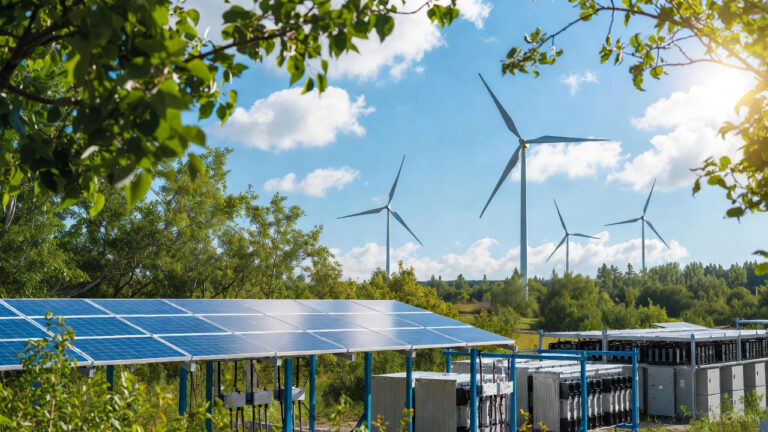
- Renewable Energy: Solar, wind, geothermal, and tidal power.
- Energy Storage: Battery and hydrogen technologies.
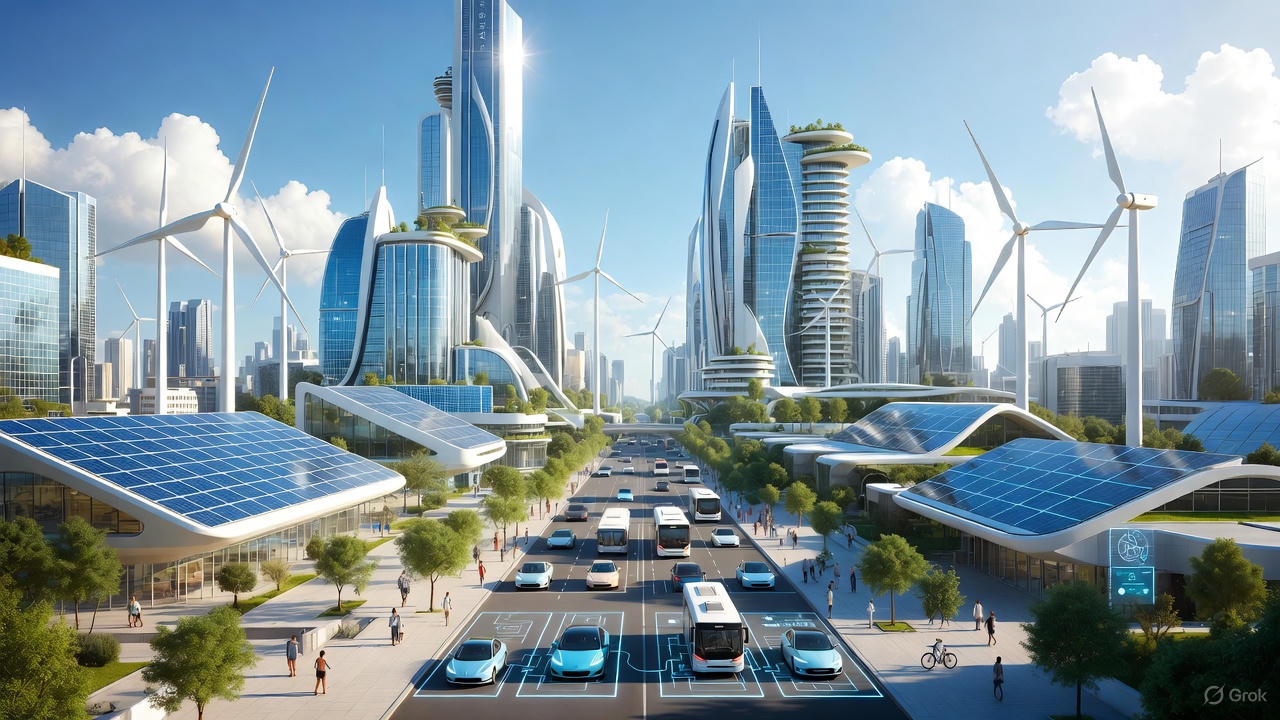
- Sustainable Mobility: Electric and hydrogen-powered vehicles.
- Water and Waste Management: Smart recycling, desalination, and purification.
- Carbon Capture and Circular Economy Solutions: Technologies that reuse or offset emissions.
Clean tech is more than a set of tools—it’s an evolving philosophy of sustainable innovation, aligning profit with planet.
The Global Momentum Behind Clean Tech
Over the past decade, clean tech has transformed from a niche concept to a mainstream economic driver. Governments are setting net-zero emissions targets, corporations are adopting Environmental, Social, and Governance (ESG) standards, and consumers are voting with their wallets for sustainable brands.
Consider these statistics:
- The International Renewable Energy Agency (IRENA) projects that renewable energy could supply 90% of global power by 2050.
- The electric vehicle (EV) market surpassed 15 million units sold in 2024, led by innovations from Tesla, BYD, and emerging startups.
- Green jobs are growing at a rate 2.5 times faster than the overall employment market.
These numbers tell a simple story—clean tech isn’t a trend. It’s a transformation.
Breakthrough Innovations Driving Change
Clean tech thrives on innovation. Here are some breakthroughs that are setting the pace:
- Next-Generation Solar Panels – New perovskite materials are pushing solar efficiency beyond 30%, reducing cost and space requirements.
- Solid-State Batteries – Promising higher capacity and faster charging, they could revolutionize both EVs and grid storage.
- Carbon Capture and Utilization (CCU) – Turning captured CO₂ into building materials, fuels, and even consumer products.
- Green Hydrogen – A clean fuel created from water using renewable energy; key for heavy industry and aviation.
- Smart Grids and AI-Driven Energy Systems – Integrating real-time analytics to balance supply and demand efficiently.
Each of these technologies represents a step toward a low-carbon economy powered by intelligence, efficiency, and sustainability.
Challenges Ahead
Despite the optimism, the clean tech revolution faces challenges.
- High Initial Costs: Many green solutions require significant upfront investment before becoming cost-competitive.
- Infrastructure Gaps: Renewable systems need smarter grids and better storage solutions.
- Policy Inconsistency: Regulatory uncertainty can slow down innovation and investor confidence.
- Resource Scarcity: Lithium, cobalt, and rare earth minerals essential for batteries come with environmental and ethical concerns.
However, these obstacles also present opportunities. The next generation of clean tech will not only focus on efficiency but also on responsible sourcing, circular design, and equitable access.
Why Clean Tech Matters to Everyone
The clean tech revolution affects all aspects of modern life—from how we power our homes to how we travel, work, and even consume digital services. Every time you use solar energy, recycle, or choose an electric vehicle, you are part of a global system of sustainability.
Businesses, too, are learning that sustainability equals profitability. Companies adopting green practices are not only reducing costs but also attracting more customers and investors. The corporate world now recognizes that environmental responsibility is good economics.
Conclusion: The Green Horizon
The rise of clean tech marks one of humanity’s most ambitious transformations. It’s proof that innovation, when guided by conscience, can redefine industries and restore balance to the planet. As technology advances and global cooperation grows, clean tech will continue to accelerate—lighting the path toward a truly sustainable future.