Why End of Tenancy Cleaning Matters
This article explains why end of tenancy cleaning matters for tenants and landlords. It breaks down what a full clean should include, how it affects deposit disputes, practical DIY tips, and when hiring a cleaning team makes practical sense. Read on for clear examples and actionable steps you can use before a final inspection.
Why end of tenancy cleaning matters for tenants
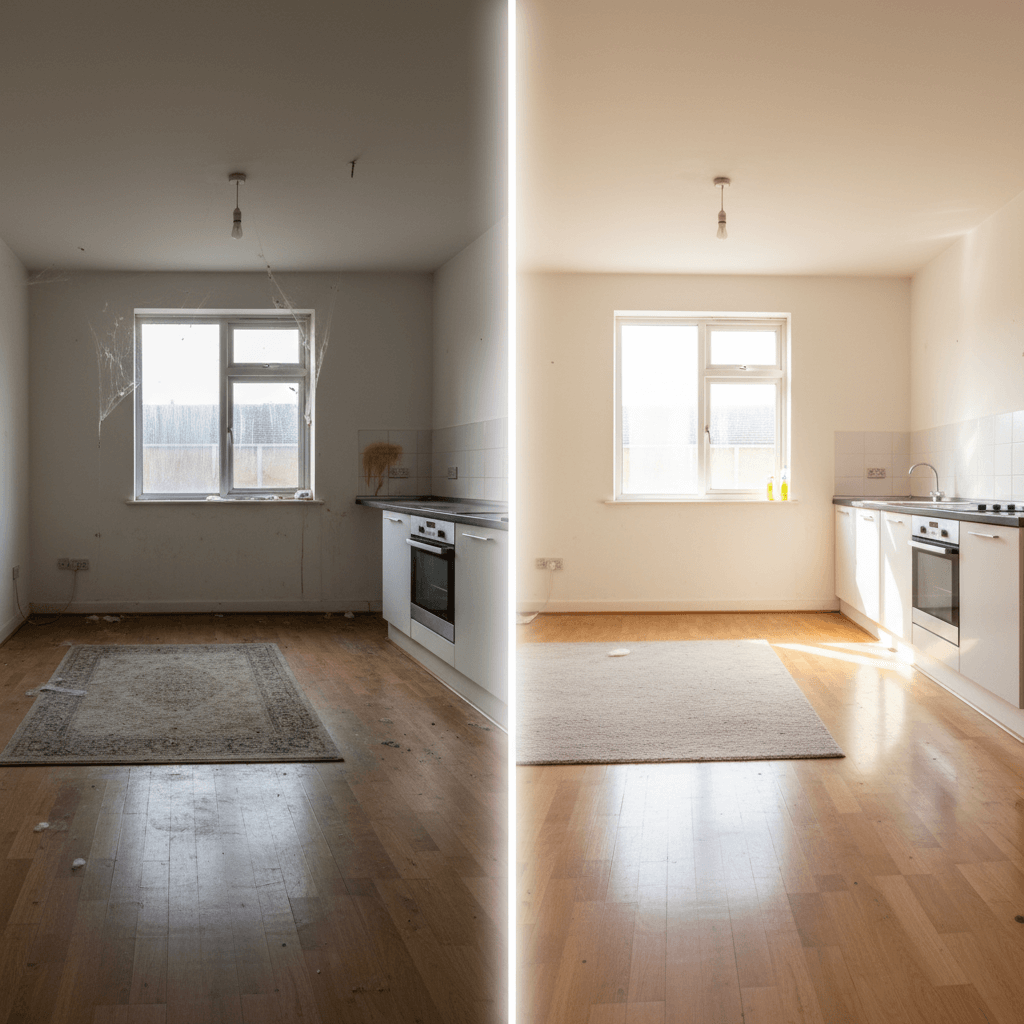
For tenants the stakes are financial and reputational. A thorough clean reduces the chance of deductions from your deposit for cleaning costs and avoids conflict with the letting agent or landlord. Many tenancy agreements include a clause requiring the property to be returned in a similar state to when it was rented. If you can show photographic evidence of a deep clean, you have a stronger position when a dispute arises.
Beyond deposits, an immaculate exit protects future references. Landlords often give feedback for prospective landlords or letting agencies. Leaving the property in a clean condition can help preserve a positive reference that may simplify your next move.
How end of tenancy cleaning affects deposit returns
Most deposit disputes involve cleaning at some stage. Landlords may commission professional cleaners and deduct the cost from the deposit if they judge the property to be dirty. That deduction can be far higher than the price a tenant would have paid to arrange cleaning themselves, especially if the landlord chooses a premium cleaning company and adds administration fees.
To avoid this scenario keep a simple record during the tenancy. Photograph rooms when you move in and when you move out. Save receipts for any repairs or cleaning you arrange. These items form evidence that can reduce the likelihood of an unfair charge.
Landlord and inventory expectations during check out
Understanding the inventory report and the standard used at check out helps you target cleaning where it matters most. Inventories typically list fixtures, fittings and the condition of surfaces. Inspectors look for obvious signs of neglect such as stained carpets, greasy ovens, scale in showers and mould in corners. They also check that appliances are functioning and that all windows and doors operate correctly.
Some landlords grade cleanliness against a professional standard. That means they expect areas like ovens and bathrooms to be scrubbed to a high level. Knowing this beforehand helps you allocate time and decide whether to book specialist cleaning for high risk items.
What a professional end of tenancy clean covers
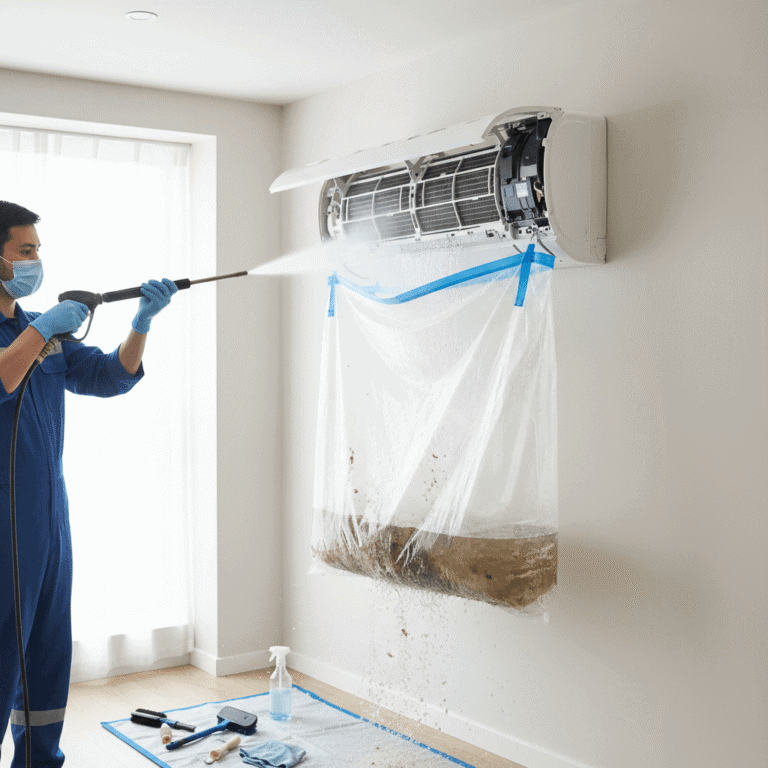
When a cleaning company offers an end of tenancy service they typically include the areas that cause the most disputes. Using a team can reduce the time you spend and provide cleaner results in challenging areas.
Kitchen and appliances
A professional clean targets the oven, hob, extractor fan, fridge and cupboards. Grease and burnt-on residues in ovens and extractor hoods are common reasons for deductions. A specialist cleaner uses products and techniques that remove these deposits more effectively than standard household efforts, which is often the difference between a charge and a full deposit return.
Bathrooms and fixtures
Bathrooms accumulate limescale, soap scum and mould that can be stubborn. Professional cleaners often remove scale from showerheads, descale taps, and treat grout lines. They also focus on sealing edges and cleaning behind toilet bases where many tenants overlook dirt during a quick tidy.
DIY end of tenancy cleaning checklist and time estimates
Not every tenant will want to hire a cleaning company. If you choose to do the cleaning yourself, a plan and a realistic timetable make the task manageable. Below is a practical checklist and rough time estimates for a two bedroom flat. Adjust these numbers depending on the size and condition of the property.
- General cleaning Dusting, vacuuming, wiping skirting boards and walls where marked 4 to 6 hours
- Kitchen Oven clean 1 to 2 hours, fridge and freezer 30 to 60 minutes, cupboards 1 hour
- Bathrooms Toilet, bath, shower, tiles and mirror 1 to 2 hours per bathroom
- Windows Internal window cleaning and ledges 1 to 2 hours
- Floors Vacuuming and mopping hard floors 1 to 2 hours
- Final touch Checklists, taking photographs, clearing rubbish 1 to 2 hours
These estimates assume regular cleaning during the tenancy. If the property has been neglected, expect times to increase significantly. Start early and divide tasks over a couple of weekends instead of leaving everything for the final day.
Tools, products and practical techniques for better results
Choosing the right tools saves time and improves results. A good vacuum with attachments, microfiber cloths, a heavy duty oven cleaner, a descaler and a grout brush should be on your list. For safety follow product instructions and ventilate rooms when using strong chemical cleaners.
Small techniques make a big difference. For example, apply oven cleaner and let it sit while you clean other rooms. Steam cleaners work well on grout and upholstered surfaces. Use a toothbrush or small brush to address sealant lines and behind taps. Photograph areas after cleaning so you have record of the condition you left.
Cost versus benefit when deciding to hire professional cleaners
Deciding whether to hire a professional team depends on time, budget and the risk of losing the deposit. Many tenants weigh the cost of a professional clean against the likely deduction a landlord would apply. If the cost to hire cleaners is lower than a potential deposit loss, hiring a team usually makes practical sense.
If you are unsure, read reviews and request an itemised quote. Compare what is included and ask about guarantees for deposit disputes. Some companies will return to address areas missed on an inspection without extra charge within a set period.
If you want a quick comparison or are wondering whether it is worth booking a service, consider this helpful guide from a local provider: Is it worth getting an end of tenancy clean. That page outlines common scenarios and cost ranges which can help you make a decision based on the condition of your property.
Common mistakes to avoid and final practical tips
Many tenants make similar errors when preparing for check out. Avoid these to improve your chance of a full deposit refund.
- Leaving cleaning to the last minute. Deep cleaning takes longer than expected and urgent bookings for professional teams may be limited.
- Overlooking small areas. The edges of showers, the tops of doors and behind radiators are easy to miss but often noted on inventories.
- Using the wrong products. Acidic cleaners on stone surfaces can cause damage that a landlord may charge to repair. Use stone-safe products for surfaces like marble.
- Neglecting documentation. Always photograph each cleaned room and keep receipts for services and waste disposal.
If you plan to handle some tasks yourself and hire help for others, communicate the split clearly with the cleaning company. For example, you might clean floors and cupboards and ask the team to handle oven and bathroom descaling. A clear plan reduces duplication and keeps cost down.
When arranging anything with a landlord or letting agent, keep calm and factual. If you receive a proposed deduction, request a breakdown and copies of receipts. Most disputes are resolved through communication supported by photographic evidence and neutral third party references such as the inventory report.
Conclusion
End of tenancy cleaning matters because it directly affects your deposit return and the outcome of the check-out inspection. A well executed clean reduces fees and conflict while protecting your rental history. Whether you choose to do the work yourself or hire a company, plan ahead, prioritise high risk areas like ovens and bathrooms, and document the condition of the property before and after cleaning.
If time is limited or the property requires heavy cleaning, hiring an experienced team often pays off. Start by comparing quotes and reading recent customer feedback. Keep photographs and receipts to support your case during check out. Take action now by creating a room by room plan and booking any professional help needed at least a week in advance. That small investment of time and money can save you stress and recover money from your deposit that might otherwise be withheld. Good luck with your move and safe settling into your next place.