Automation and the Human Edge
Introduction: The Age of Intelligent Automation
Automation no longer means just robots on factory floors. It runs everything from chatbots answering questions to clever systems handling money. According to PwC, AI and automation could add an eye-popping $15.7 trillion to the world economy by 2030. Picture machines taking over dull jobs while businesses zoom ahead with speed and smarts. This shift flips the way work gets done and throws open the door for anyone wanting to keep a step ahead. Keep reading to discover how this tidal wave can reshape your life and work in ways you never expected.
Yet, as machines become smarter, the key question remains: what is the future role of humans?
This article explores how automation is reshaping industries, why the human edge still matters, and how individuals can thrive in an increasingly automated world.
How Automation Is Transforming the Workforce
1. Manufacturing and Logistics
Automation has revolutionized supply chains. Smart factories use IoT sensors, predictive maintenance, and autonomous robots to minimize downtime and maximize precision.
2. Professional Services
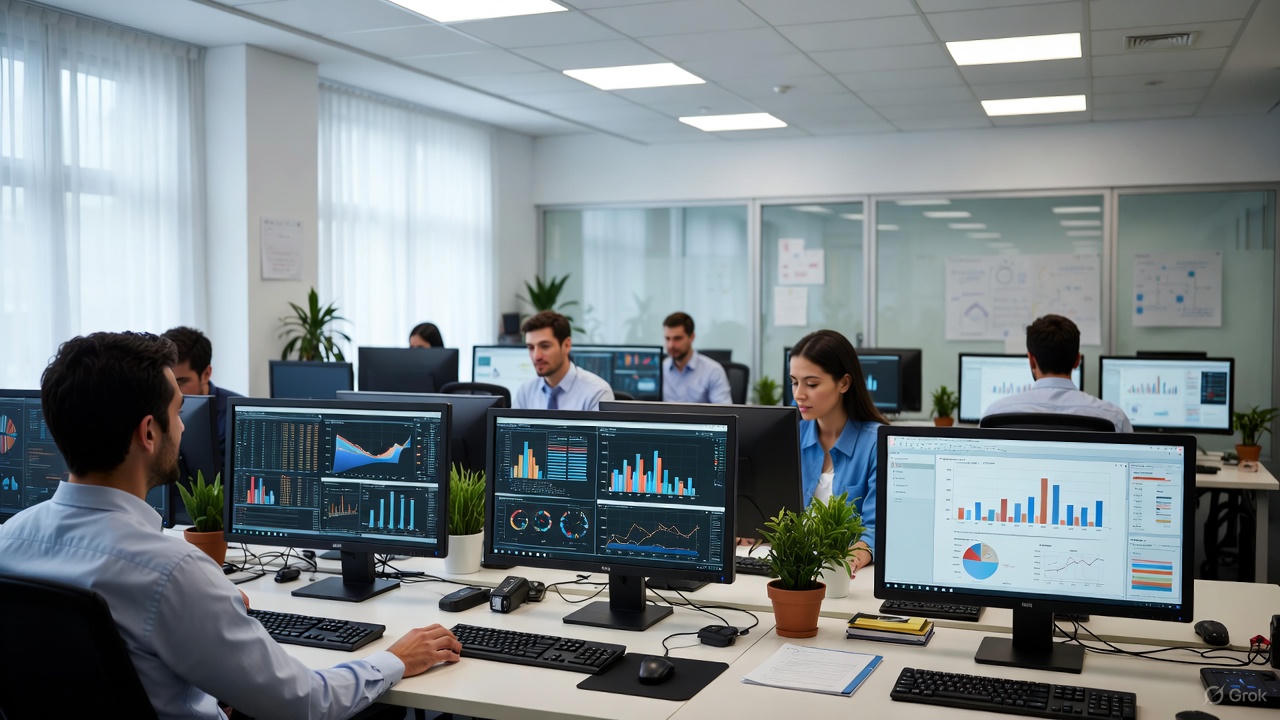
AI tools now handle tasks once reserved for analysts and consultants — from data modeling to drafting reports. This shift frees up professionals to focus on higher-level strategy and creativity.
3. Customer Experience
Automation is powering 24/7 support through chatbots and virtual agents, delivering instant assistance and personalization at scale.
While efficiency gains are undeniable, this transformation also raises questions about displacement, ethics, and purpose.
The Human Edge: What Machines Can’t Replace
Despite its power, automation lacks human intuition, emotion, and ethics — qualities that remain essential in every industry.
1. Creativity and Imagination
AI can generate art, but it doesn’t understand meaning. Human creativity connects innovation with empathy — turning data into stories and invention into purpose.
2. Emotional Intelligence
Leadership, teamwork, and customer relationships depend on emotional understanding. In a hybrid, automated world, emotional intelligence is the new productivity.
3. Ethical Judgment
Automation operates on logic; humans operate on values. As AI decisions influence hiring, lending, and justice, human oversight ensures fairness and accountability.
Rethinking Skills for an Automated Future
To stay relevant, professionals must develop “fusion skills” — blending technical literacy with human insight.
Top future-ready skills include:
- Data interpretation and prompt engineering
- Critical thinking and ethical reasoning
- Empathy and cultural awareness
- Systems design and adaptability
Education systems are also evolving. Lifelong learning, micro-credentials, and online academies are replacing static degrees with continuous upskilling models.
The Rise of Human-AI Collaboration
The future isn’t man or machine — it’s man and machine.
AI-powered assistants already help lawyers review cases, marketers personalize campaigns, and doctors interpret scans.
This new paradigm—augmented intelligence—enhances human capability rather than replacing it. In the most advanced workplaces, automation handles the routine while humans drive innovation.
Ethical and Economic Considerations
Automation brings tremendous opportunity but also inequality. Not all sectors or regions benefit equally.
Governments and corporations must collaborate on policies that ensure inclusive automation—reskilling workers, creating safety nets, and redistributing opportunity.
The future of automation should not be measured by profits alone but by its ability to elevate human potential.
The Next Frontier: Emotional and Cognitive Automation
Researchers are exploring “emotional AI” — systems that detect mood and respond empathetically. While promising for healthcare and education, this raises deep ethical questions about privacy and consent.
Balancing innovation with responsibility will define the next decade of automation.
Conclusion: Keeping Humanity at the Center
Automation is transforming how we live and work, but it’s not replacing us—it’s redefining us. The true advantage lies not in competing with machines, but in partnering with them.
The human edge — creativity, empathy, ethics — will remain the most valuable currency in the digital economy.