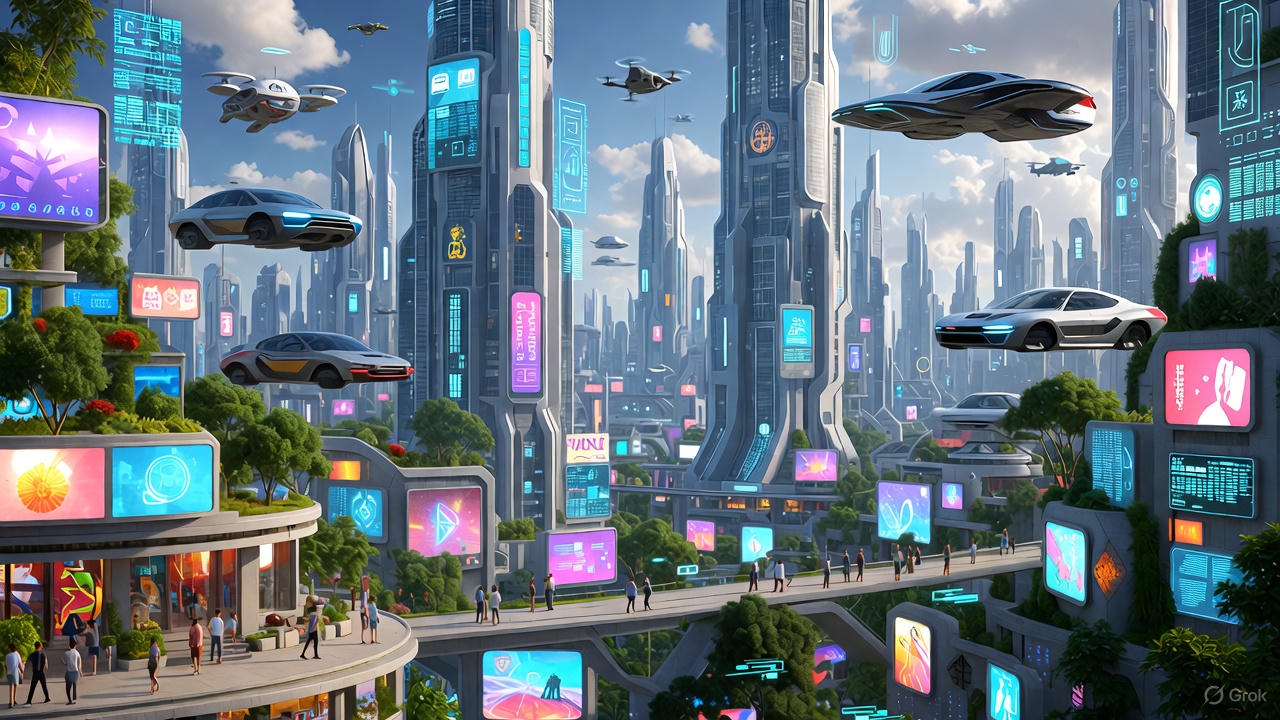
The Next AI Revolution
Introduction: The Dawn of a New Era in AI
Artificial Intelligence changed how people live, work, and connect. Voice helpers like Siri or Alexa showed what AI can do, plus AI tools now create art, write stories, and even code software. AI isn’t just a future thing; it already shapes the world. But the biggest AI wave is coming soon, ready to shake up huge businesses and bring fresh ideas to art and design. People curious about how AI grows and transforms everything will find cool secrets ahead — this ride promises to wow you. Keep reading to catch the next big thing before it hits.
This article explores what defines the next generation of AI, why it matters, and how individuals and organizations can prepare for the seismic shifts it brings.
The Shift from Reactive to Autonomous AI
The first wave of AI focused primarily on pattern recognition and automation. Systems could analyze data, detect trends, and make recommendations. The next revolution goes further—AI systems are becoming autonomous decision-makers capable of reasoning, adapting, and improving without constant human supervision.
A new generation of multi-agent systems can collaborate, learn from one another, and generate complex solutions dynamically. These models don’t just respond to input—they anticipate needs, simulate scenarios, and make proactive choices.
Imagine AI systems that can run entire logistics operations, design new materials, or predict market trends weeks in advance. That’s not science fiction anymore—it’s happening right now in pilot programs across sectors like finance, healthcare, and manufacturing.
The Rise of Multimodal Intelligence
One of the biggest breakthroughs driving this new revolution is multimodal AI—the ability of machines to process and combine multiple types of data at once: text, images, video, and sound.
A multimodal AI system doesn’t just read or listen—it understands context. For example, it can analyze a video, interpret body language, cross-reference audio tone, and generate a summary that captures both content and emotion.
This ability makes AI far more human-like in its comprehension and reasoning. For businesses, it means better customer service bots, more effective marketing analytics, and more intuitive human-computer interactions.
Real-World Impact: Industries Being Transformed
Healthcare
AI-driven tools are now assisting doctors with early diagnosis. Systems like DeepMind’s models can analyze medical images faster than radiologists, identifying signs of disease with remarkable precision.
Education
Personalized learning powered by adaptive AI platforms is helping students learn at their own pace. Tools analyze how each student responds and tailor materials accordingly.
Finance
Autonomous trading systems are making lightning-fast investment decisions, optimizing portfolios, and detecting fraud in real time.
Creative Fields
Generative AI tools—like image generators, music composers, and text creators—are unlocking new forms of creativity. Artists are no longer competing with machines but collaborating with them.
Challenges and Ethical Dilemmas Ahead
Every technological leap brings new questions. As AI becomes more autonomous, who’s responsible for its decisions? How do we ensure transparency, fairness, and accountability in algorithmic systems?
Ethicists and lawmakers are racing to develop frameworks for AI governance. The European Union’s AI Act is among the first major attempts to regulate how AI is deployed, emphasizing human oversight and data integrity.
There’s also growing concern about bias and misinformation. If AI learns from flawed data, it can replicate and amplify those flaws—sometimes at scale. Ensuring diverse data and ethical design is critical for AI’s sustainable future.
Preparing for the Next AI Revolution
For individuals, this new era means lifelong learning. Skills like prompt engineering, data literacy, and critical thinking will become as essential as reading and writing.
For businesses, adaptation requires AI integration strategies—rethinking operations, retraining teams, and redefining roles. The most successful organizations will be those that blend human creativity with machine precision.
The Human-AI Partnership
Contrary to popular fear, the next AI revolution isn’t about replacing humans—it’s about empowering them. Machines excel at speed, scale, and accuracy, but humans bring empathy, ethics, and imagination. Together, they form a hybrid intelligence far greater than either alone.
This partnership is the real story of AI’s future: not a rivalry, but a collaboration that redefines what’s possible.
Conclusion: Shaping the Future Together
We are standing at the edge of the most significant transformation in human history. The next AI revolution is not only technological—it’s social, cultural, and deeply human.
As we enter this new phase, the goal is clear: build systems that serve humanity, not replace it. Whether you’re an entrepreneur, policymaker, or everyday user, now is the time to understand, engage, and guide this change.