Redefining Productivity in the Hybrid Era
Introduction: Work Has Changed Forever
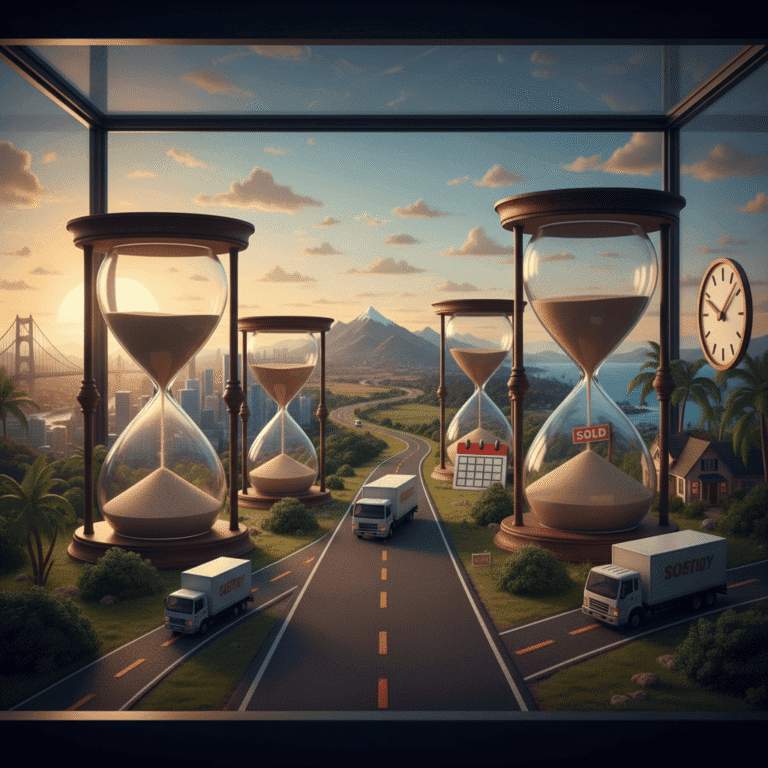
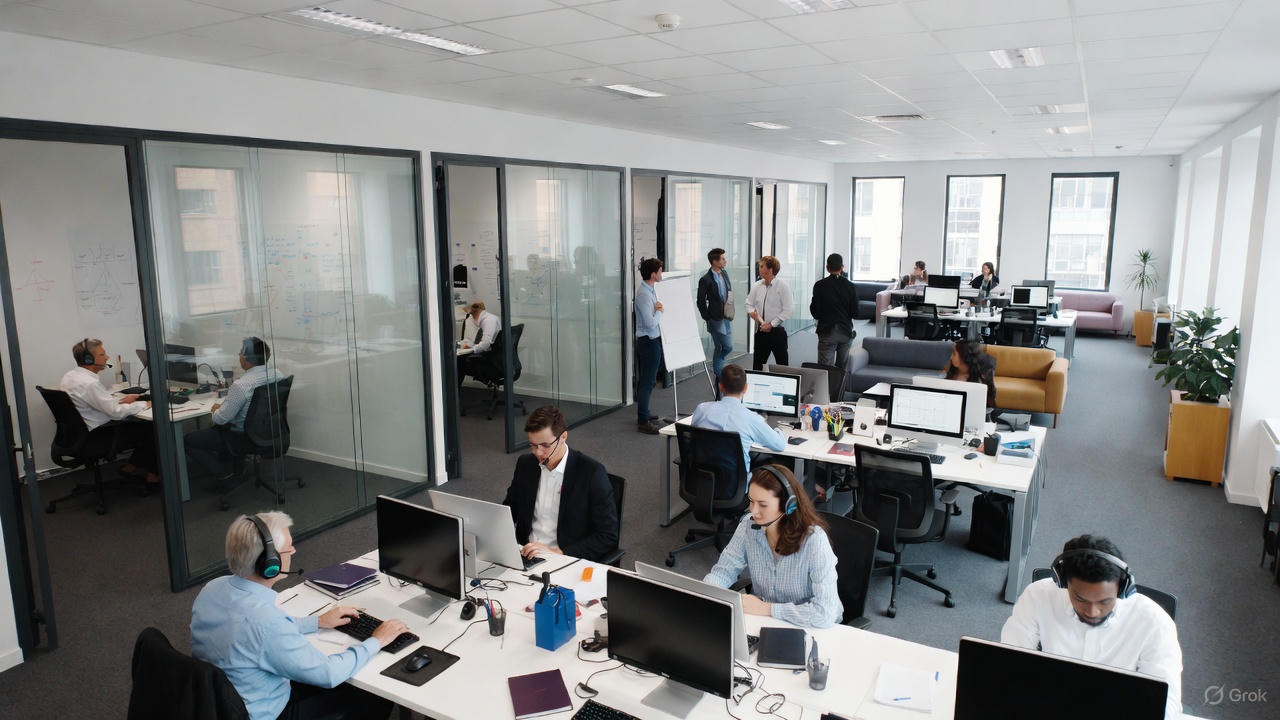
The work world changed in a flash. Hybrid work—mixing days at home with days in the office—flipped how tasks get done, shifted company culture, and tossed out old management rules. Picture handling teamwork like a champ while hopping between Zoom calls and face-to-face chats. This change proves work can be flexible and strong at the same time, letting people enjoy freedom without losing the team spirit. Anyone wanting to keep up must catch this new beat, or they’ll fall behind in a game where the rules got rewritten.
Once considered a temporary response to global disruption, hybrid work is now the dominant model for millions of professionals. According to a 2025 Deloitte report, 72% of global organizations have adopted hybrid or fully remote setups. The question isn’t whether hybrid work will stay—it’s how we can make it truly effective.
This article explores how businesses are redefining productivity in the hybrid era, from new digital tools to cultural shifts and leadership transformations.
The New Meaning of Productivity
In the pre-pandemic world, productivity was measured by visible activity—hours logged, desks filled, meetings attended. The hybrid era demands a deeper understanding.
Modern productivity is about outcomes, not occupancy. Employees are evaluated based on results, creativity, and problem-solving, not physical presence.
This shift aligns with the rise of output-based management, where performance metrics reflect value creation rather than time spent. Companies that embrace this mindset see higher engagement and retention, proving that autonomy fuels accountability.
The Digital Backbone of Hybrid Work
Technology is the foundation of the hybrid model. From cloud collaboration to virtual project management, digital ecosystems have become the modern office.
1. Collaboration Platforms
Tools like Slack, Notion, and Microsoft Teams have replaced watercooler chats, enabling asynchronous communication and real-time collaboration across continents.
2. Virtual Offices
Emerging platforms such as Gather and Teamflow simulate physical spaces in digital environments, allowing teams to “walk” into meetings and build culture virtually.
3. AI-Powered Productivity
AI assistants are transforming workflows—automating tasks, summarizing meetings, and predicting deadlines. By 2026, experts predict AI integration could save professionals up to 30% of their working hours each week.
The Human Side of Hybrid Work
Technology enables connection, but culture sustains it. Successful hybrid teams focus on human-centered management—empathy, trust, and psychological safety.
Redefining Leadership
Managers are shifting from supervisors to coaches and facilitators, focusing on outcomes, well-being, and inclusivity. Transparent communication and regular feedback are the new cornerstones of trust.
Building Connection Across Distance
Virtual coffee breaks, informal channels, and in-person retreats help maintain company culture. Organizations that invest in connection rituals see higher morale and lower turnover.
Measuring Productivity Beyond Metrics
While data-driven insights are crucial, productivity in the hybrid era also depends on well-being and creative energy.
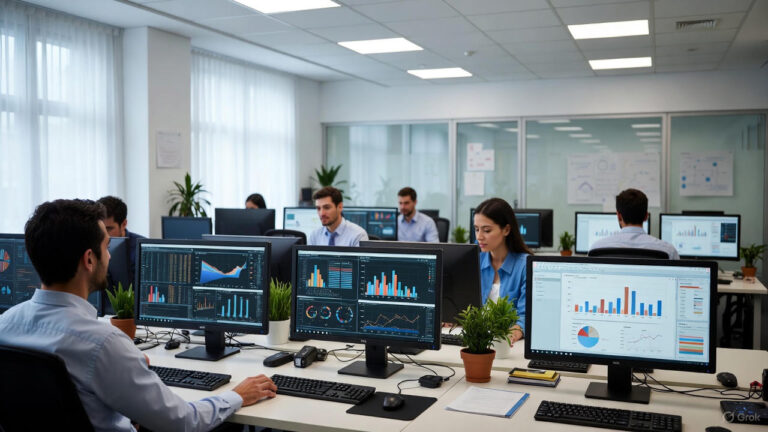
Forward-thinking companies use “people analytics” to understand engagement patterns and workload balance, combining quantitative and qualitative feedback.
Google’s hybrid model, for instance, focuses on “energy mapping”—tracking when teams feel most creative, then scheduling collaborative sessions accordingly.
Overcoming Hybrid Challenges
Hybrid work isn’t without friction. Common struggles include communication silos, employee isolation, and blurred work-life boundaries.
1. The Digital Divide
Access to technology and stable connectivity remains uneven, especially in developing economies. Businesses must prioritize digital inclusion and upskilling.
2. Meeting Fatigue
Endless virtual meetings can drain creativity. The best hybrid teams adopt “async-first” cultures, where written updates replace unnecessary calls.
3. Cultural Imbalance
In-office employees often receive more visibility than remote workers. Leaders must consciously equalize opportunities, ensuring fair recognition and advancement.
The Future: Hybrid 3.0
The next phase of hybrid work will merge physical and digital seamlessly. AI-driven office scheduling, virtual reality (VR) collaboration, and “digital twins” of workplaces will redefine how we interact with both people and spaces.
Imagine attending a brainstorming session in a 3D virtual room while an AI note-taker summarizes key ideas in real time. These innovations are closer than we think.
Conclusion: Productivity Reimagined
Hybrid work is not just a policy—it’s a philosophy of flexibility, autonomy, and trust. Productivity in this era is measured by impact, not attendance.
As companies embrace the tools and mindsets that empower both people and performance, they’ll find that the most productive workplace is the one that adapts to its people.