Home Safety Technology That Supports Older Adults
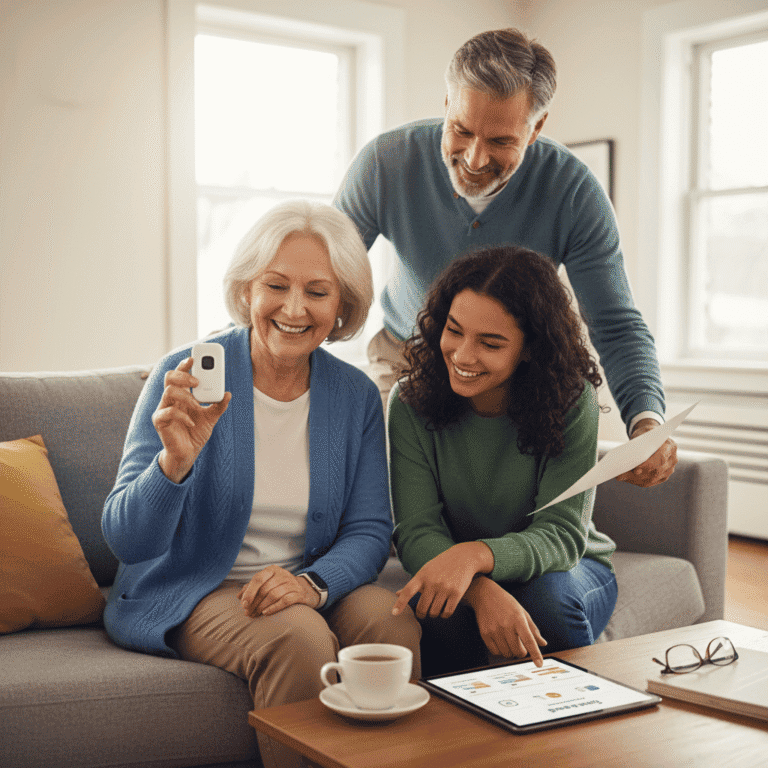
I spend a lot of time thinking about how technology fits into everyday life, and one of its most meaningful uses is helping keep seniors safe at home. Creating a comfortable, secure space for older loved ones matters deeply to many families, and today’s tools can help. They offer more than convenience, giving both seniors and their families a greater sense of reassurance.
I see how these innovations are making homes smarter and safer. From intelligent sensors to emergency alert systems, the advancements are designed to empower seniors to live independently longer. These systems also offer caregivers vital support and real-time information. It is about creating a secure space where aging individuals can thrive, knowing that help is always within reach if they need it.
My goal here is to break down the most impactful senior home safety tech available today. I want to show you how these devices can transform a living space into a protective haven. We will cover a range of options because understanding these choices is the first step toward building a truly secure home environment for seniors.
Understanding the Need for Senior Home Safety Tech
The desire for independence is strong for many seniors. They want to stay in their homes as long as possible. This wish is understandable and important, but it also brings challenges. Falls, medical emergencies, and even wandering can pose serious risks. These are the realities families often face, and they can cause a lot of worry. I have seen firsthand the stress these concerns can place on both seniors and their family members.
Traditional safety measures have their place, but technology now offers a more proactive and integrated approach. It can detect problems before they escalate and provide immediate assistance when incidents occur. This is not about replacing human care, but it is about augmenting it with smart, reliable tools.
When I think about the core benefits, I consider two main aspects. First, there is the immediate safety factor. This includes fall detection and emergency response. Second, there is the long-term impact on quality of life, because knowing you are protected reduces anxiety. This enables seniors to enjoy their daily routines more freely.
The Importance of Proactive Protection
I believe proactive protection is key in senior care. Waiting for an accident to happen is simply not an option. Modern safety tech allows us to set up layers of defense. These layers work together to monitor, alert, and respond. This approach transforms a standard home into an intelligent environment. It can anticipate needs and react to unexpected events.
For example, motion sensors placed strategically can learn daily patterns. If these patterns change drastically, like no movement for an extended period, an alert can be sent. This kind of predictive insight is a game changer. It means we are not just reacting to emergencies, but we are also working to prevent them or detect them at the earliest possible moment.
Essential Smart Devices for a Safer Home
When we talk about senior home safety tech, certain devices form the foundation of a robust system. These are the tools I consider essential for comprehensive protection. They provide basic monitoring and immediate alerts, so they cover the most common risks that seniors face at home.
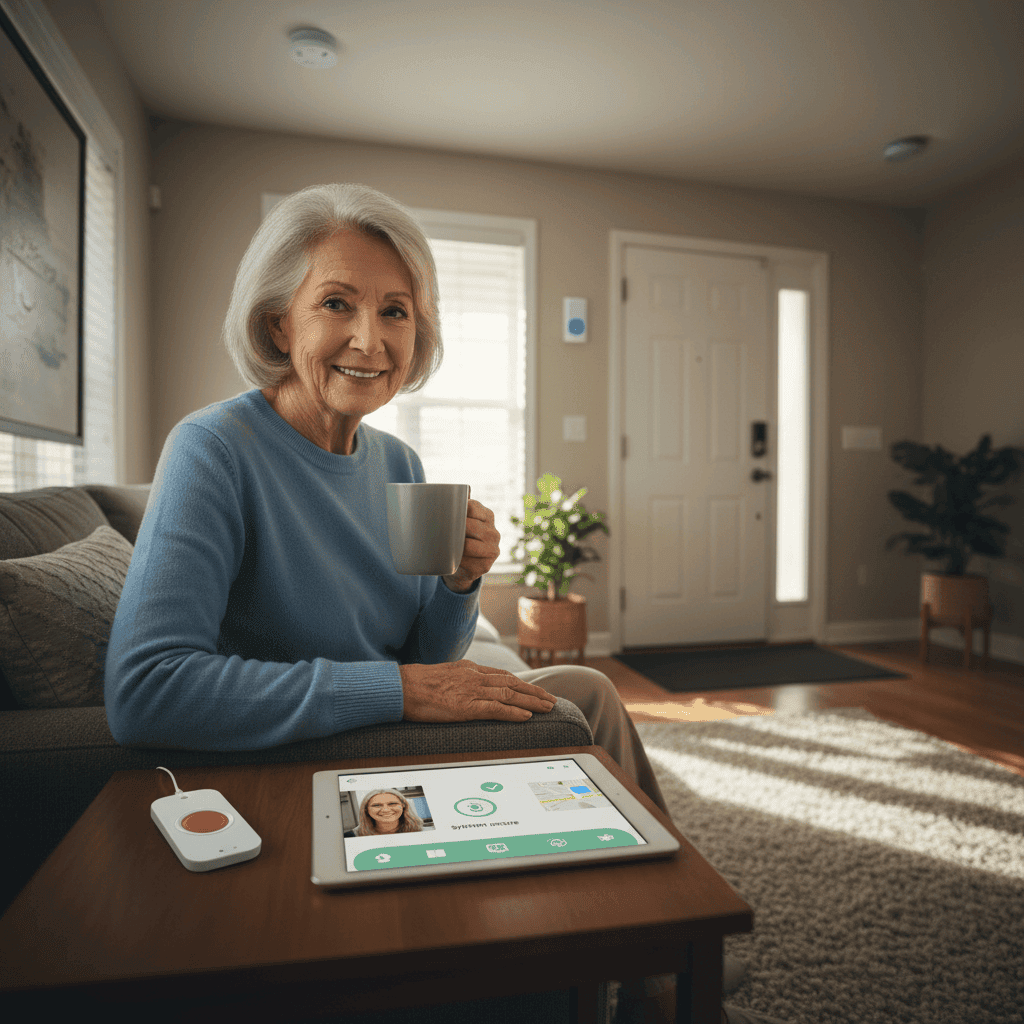
First on my list are personal emergency response systems or PERS. These typically involve a wearable button that seniors can press to call for help. Newer versions often include automatic fall detection, which is incredibly valuable. I have seen how quickly these systems can connect someone to emergency services or family members during a critical event.
Another crucial category involves smart sensors. These small devices can be deployed throughout the home. They monitor a range of environmental factors. We can use them to detect smoke or carbon monoxide, and some even pick up on water leaks. This adds layers of protection against common household hazards. I know from my experience that preventing these issues can save lives and significant damage.
Advanced Monitoring Solutions
Beyond the basics, I also look at more advanced monitoring solutions. These systems offer deeper insights into a senior’s well-being without being intrusive. Smart door and window sensors, for example, can alert caregivers if a door is left open too long or if there is unusual entry or exit. This helps prevent wandering, especially for individuals with cognitive impairments.
Bed occupancy sensors are another innovative tool. They can track sleep patterns and alert if a senior is out of bed for an unusually long time overnight. This data can be incredibly useful for understanding health changes and ensuring safety. I find these subtle forms of monitoring particularly effective because they maintain privacy while still offering critical oversight.
Leveraging AI and Automation for Enhanced Protection
The true power of modern senior home safety tech lies in its integration with artificial intelligence and automation. These technologies move beyond simple alerts. They create smart, responsive environments that adapt to a senior’s needs. I often highlight how these systems learn and anticipate, so they offer a level of care that was impossible just a few years ago.
AI-powered cameras, for instance, can differentiate between normal movement and a fall, reducing false alarms. They can also learn a senior’s typical routines. This allows the system to flag deviations that might indicate a problem. I am impressed by their ability to provide unobtrusive monitoring. It ensures safety without making residents feel constantly watched.
Automation ties these smart devices together. Imagine a system where a fall is detected, and not only is an emergency contact notified, but the smart lights also turn on to illuminate the area. This kind of coordinated response is vital. It speeds up assistance and improves outcomes. I believe this seamless integration is where safety tech truly shines.
Smart Home Integration for Seamless Safety
I always emphasize the benefits of a fully integrated smart home. When all devices communicate, the safety network becomes much stronger. Voice assistants like Alexa or Google Assistant can be programmed to trigger emergency calls or specific alerts. A senior can simply say “call for help” and the system responds immediately. This simplicity is incredibly empowering for users.
Automated lighting systems can prevent falls by ensuring pathways are always well-lit, especially at night. Smart thermostats can maintain comfortable and safe temperatures. This protects against extreme heat or cold. These features are not just about convenience. They are about building an environment where every element contributes to safety and well-being. I believe this holistic approach offers the best protection for seniors.
The Role of Wearable Tech in Senior Well-being
Wearable technology has revolutionized how we approach senior safety. These devices offer constant, non-intrusive monitoring and immediate access to help. I often tell people that wearable tech is not just a gadget. It is a vital safety companion for seniors. This type of personal device empowers individuals because it gives them direct control over their safety and peace of mind.
Beyond traditional PERS buttons, smartwatches and specialized pendants now incorporate sophisticated health monitoring. They can track heart rate, detect irregular rhythms, and even measure blood oxygen levels. I find the continuous data collection particularly valuable. It provides insights into a senior’s health trends and can alert to potential issues before they become critical. Many models also include GPS tracking, which is essential for seniors prone to wandering. Caregivers can quickly locate their loved ones. This feature significantly reduces anxiety for families. I have seen it provide immense relief.
These wearables are designed to be comfortable and easy to use. They often blend seamlessly into daily life. This encourages consistent use. Some even offer discreet alert options, because not every senior wants a visible device that shouts “emergency.” We are seeing more stylish and functional designs that make seniors feel confident and secure. I believe this focus on user experience is critical for successful adoption.
Empowering Independence Through Wearables
I see wearable technology as a powerful tool for maintaining senior independence. It allows them to continue living active lives with an invisible safety net. Whether they are gardening, taking a walk, or simply moving around the house, they have a direct link to assistance. This freedom to move without constant worry is invaluable. It directly contributes to a higher quality of life. I believe in giving seniors the tools to stay autonomous.
The ability to call for help with a simple voice command or button press truly makes a difference. It removes barriers to seeking aid. It ensures that even if a fall occurs and a senior is disoriented, help is still accessible. I am always excited about how these small devices create such a large impact on safety and independence.
Building a Connected and Responsive Safety Network
Achieving true peace of mind for senior home safety involves more than just individual devices. It requires building a connected and responsive network. This network ensures that information flows seamlessly between the senior, their devices, and their support system. I always advocate for a holistic approach where all components work together for maximum effectiveness.
Central to this is a robust communication system. This often involves a hub that connects all smart devices. The hub then communicates with family members, caregivers, and emergency services. I have found that having a single, intuitive interface for managing these alerts simplifies the process for everyone involved. This reduces confusion during stressful situations. The best systems offer customizable alert protocols. This means you can decide who gets notified and in what order based on the type of emergency.
Remote monitoring apps are also a critical part of this network. They allow family members to check on their loved ones from anywhere. They can view sensor data, receive real-time alerts, and even communicate directly through smart speakers. I believe this transparency is vital for building trust and ensuring timely intervention. It means family members can stay connected without being physically present every moment.
Customizing Your Senior Home Safety Tech Network
I find that a personalized approach works best when setting up a safety network. Every senior has unique needs and preferences. So the system should be tailored to them. Start by assessing the specific risks and daily routines of the individual. Do they have a history of falls? Are they prone to wandering? Are there specific health conditions that require close monitoring? The answers to these questions will guide your choices.
It is important to integrate devices that address these specific concerns. For example, if wandering is a risk, consider GPS trackers and smart door sensors. If falls are a concern, prioritize fall detection systems and good lighting. Testing the system regularly and making adjustments is also crucial. This ensures it remains effective as needs change. I believe a well-designed network truly makes a difference. You can learn more about choosing the right senior home safety tech by exploring detailed guides and expert reviews.
Achieve Peace of Mind with Senior Home Safety Tech: A Path Forward
In my exploration of technology and its real-world impact, I consistently return to the profound benefits of senior home safety tech. It is clear that these innovations are not just about gadgets. They are about empowering our aging population to live with dignity and independence in their own homes. The feeling of security they provide for both seniors and their families is truly immeasurable. I have seen how a well-implemented safety system can transform daily life, easing anxieties and fostering a sense of confidence.
We have discussed a range of tools, from essential emergency response systems to advanced AI-powered monitoring and wearable devices. Each component plays a vital role in building a comprehensive safety net. These technologies work together to detect issues, alert the appropriate contacts, and even help prevent accidents from happening. This proactive approach is essential. It moves us beyond simply reacting to emergencies toward creating environments that actively support well-being. This shift is a significant step forward in senior care.
I want to encourage you to consider how these solutions can be integrated into your own life or the lives of your loved ones. Start by assessing specific needs and then explore the options available. The market for senior home safety tech is constantly evolving. There are always new and more effective solutions emerging. Investing in these technologies is an investment in quality of life, independence, and above all, peace of mind. Let us embrace these innovations because they offer a brighter, safer future for seniors everywhere.